
- News
- City News
- chennai News
- Protectors to violators: Need to raise accountability bar
Trending
This story is from June 29, 2020
Protectors to violators: Need to raise accountability bar

Representative image (Illustration: Shinod Akkaraprambil)
You Can Also Check: Chennai AQI | Weather in Chennai | Bank Holidays in Chennai | Public Holidays in Chennai
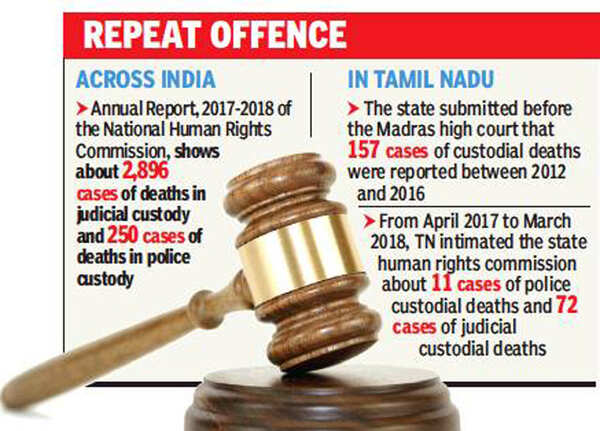
The act of protecting citizens is associated with authority, which has become synonymous with force. An analysis of how the police department functions tells us that the portfolio of police administration, more often than not, is held by the heads of states. That is perhaps why an indictment of any police officer is viewed mostly through a political lens, thereby conveniently ignoring unlawful transgressions. In the process, the wrongful act is protected under the guise of saving the face of the office of that head of state or protecting the image and reputation of the government.End of Article
Follow Us On Social Media










Hot Picks
Top Trending
Explore Every Corner
Across The Globe
IND vs ENGGisele BundchenCardi B BreakupSaturday Night Main EventKate MiddletonVanessa HudgensBlake LivelyWWE Heavyweight ChampionshipLebron JamesMatthew TkachukWWE Saturday Main Event HighlightsVarun MohanRoman ReignsNBA Trade RumorsUS Colleges Offer Computer Science ProgramsStefon DiggsUday RuddarrajuSeth Rollins InjuredKapil SharmaDonald TrumpIND vs ENG TestShubman GillShubham Gill ShoutsAir India Plane CrashWimbledon 2025 Final Live StreamingJhangur BabaAir India Flight171 CrashAaron RodgersHallie AionoWWE Saturday Night Main Event Live
Hot on the Web
Colourful BirdsOld People SmellKota Srinivasa RaoMaalik ReviewNerve Damage SymptomsShruti HaasanIndoor PlantsBlood Cancer SymptomsFatty Liver SymptomsBeetroot BenefitsRare Genetic DiseaseJeff BezosVitamin DHigh Blood Pressure SymptomsParkinson DiseaseChia Seeds For HairKidney HealthWalking BenefitsBaby Girl NamesSugar AlternativeGallbladder Cancer SymptomsPooja HegdeFatty Liver DiseaseMorning HabitsLiver Damage SymptomsVisa TypesKidney DamageMaalik Box Office CollectionKannappa Box Office CollectionSitaare Zameen Par Box Office CollectionStomach CancerLamborghini Made In KeralaThe Invisible Man And His Soon To Be WifeSleep ParalysisJowar Eating BenefitsPastel Kitchen DesignBlood CancerGastric CancerTrapit BansalChartered Accountant At Age Of 71Rishi SunakVirender Sehwag
Trending Topics
Jason KelceTamil Nadu TrainAir India 171Radhika YadavRussian VisaOperation SindoorKapil SharmaKota Srinivasa RaoHyderabad ScamOdisha NewsJhangur BabaPakistan AirlinesUAE Golden VisaPete HegsethJonathan TrottLebron JamesMatthew TkachukArtemi PanarinsWho is Dillon DubDonald Trump TariffsPam BondiSaudi Arabia Green CardAshwini GanapathiSeth RollinsRewa AirportKash PatelDan BonginoKapil SharmaMichael MilneTCS Salary IncrementsZack WheelerNASA EmployeesNYT Connections TodayWordle Today HintsAmazon SaleKidney DamageTrapit BansalYoutube Monetization RulesJensen HuangHeart AttackSamsung Galaxy Z Flip6Ghost of Yōtei
Popular Categories
HeadlinesSports NewsBusiness NewsIndia NewsWorld NewsBollywood NewsHealth+ TipsIndian TV ShowsTechnologyTravelEtimesHealth & FitnessNFLIntel The Learning CurveIndia vs EnglandAstrologyWeather TodayPlatinum Rate TodaySilver Rate TodayGold Rate TodayDelhi AQI TodayJune Bank HolidaysPublic Holidays in JuneStock Market HolidaysFinancial CalculatorsBSE HolidaysTechnology NewsInternational SportsPublic HolidaysBank Holidays
Latest News
IND vs ENG: 'Saamne hai bhai, height to hai hi nahi' - How Mohammed Siraj convinced Shubman Gill for the DRSBLACKPINK kick off US leg of Deadline World Tour with jaw-dropping performances; Full setlist revealed - WATCHDiljit Dosanjh’s unrecognizable look in ‘Punjab 95’ poster sparks buzz amid censor board controversyThe harsh truth behind how India punishesiPhone 17 Pro design leaked again ahead of rumoured September launchMy understanding of art was shaped in Santiniketan, says Tom VattakuzhyWatch: Fired-up Mohammed Siraj gives Ben Duckett an in-your-face send-off as tensions boil over at Lord’sHoroscope Tomorrow, July 14, 2025: Your zodiac insights awaitLuckiest day for each zodiac sign for the week of July 13 to July 19, 2025Weekly Horoscope (July 14 – July 20): Predictions for Monkey Chinese ZodiacRian Johnson reveals future plans for more parts of the 'Knives Out' franchise, ahead of the third installment's releaseKarachi blackout protest chokes city traffic: Punjab Colony residents block roads after 24-hour outage; report points to systemic collapseSouth Korean President Lee appoints former PM Kim Boo-kyum as special envoy to IndiaStudent sets self ablaze over 'harassment': Odisha govt to bear medical expenses; state minister assures strict actionIND vs ENG 3rd Test: 'I'd play rugby with that' – Stuart Broad ridicules Dukes ball as shape controversy erupts at Lord'sSeinfeld writer claims Hollywood exploited Kanye West, reveals his HBO acting debut was abruptly shelved5,333 ways to go to jail in IndiaThis Omani city turns into a tropical paradise every summer: Here’s why you can’t miss it
Copyright © 2025 Bennett, Coleman & Co. Ltd. All rights reserved. For reprint rights: Times Syndication Service